
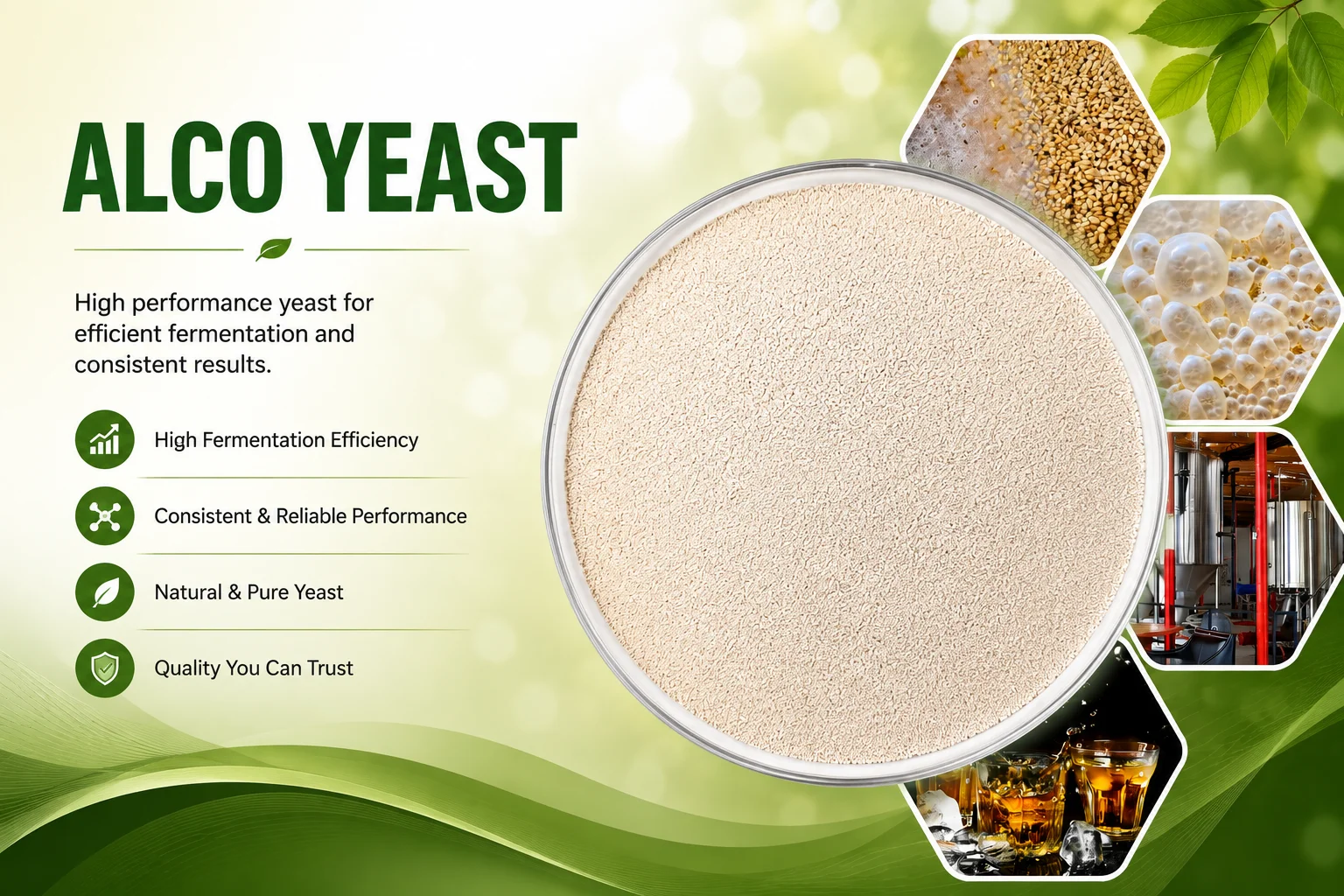
By the time yeast is pitched into a grain fermentation batch, alpha amylase and glucoamylase have already done the work of turning starch into fermentable glucose. What happens next depends entirely on the yeast strain doing the fermenting. Two batches with identical sugar content can finish with meaningfully different alcohol yields simply because one used […]
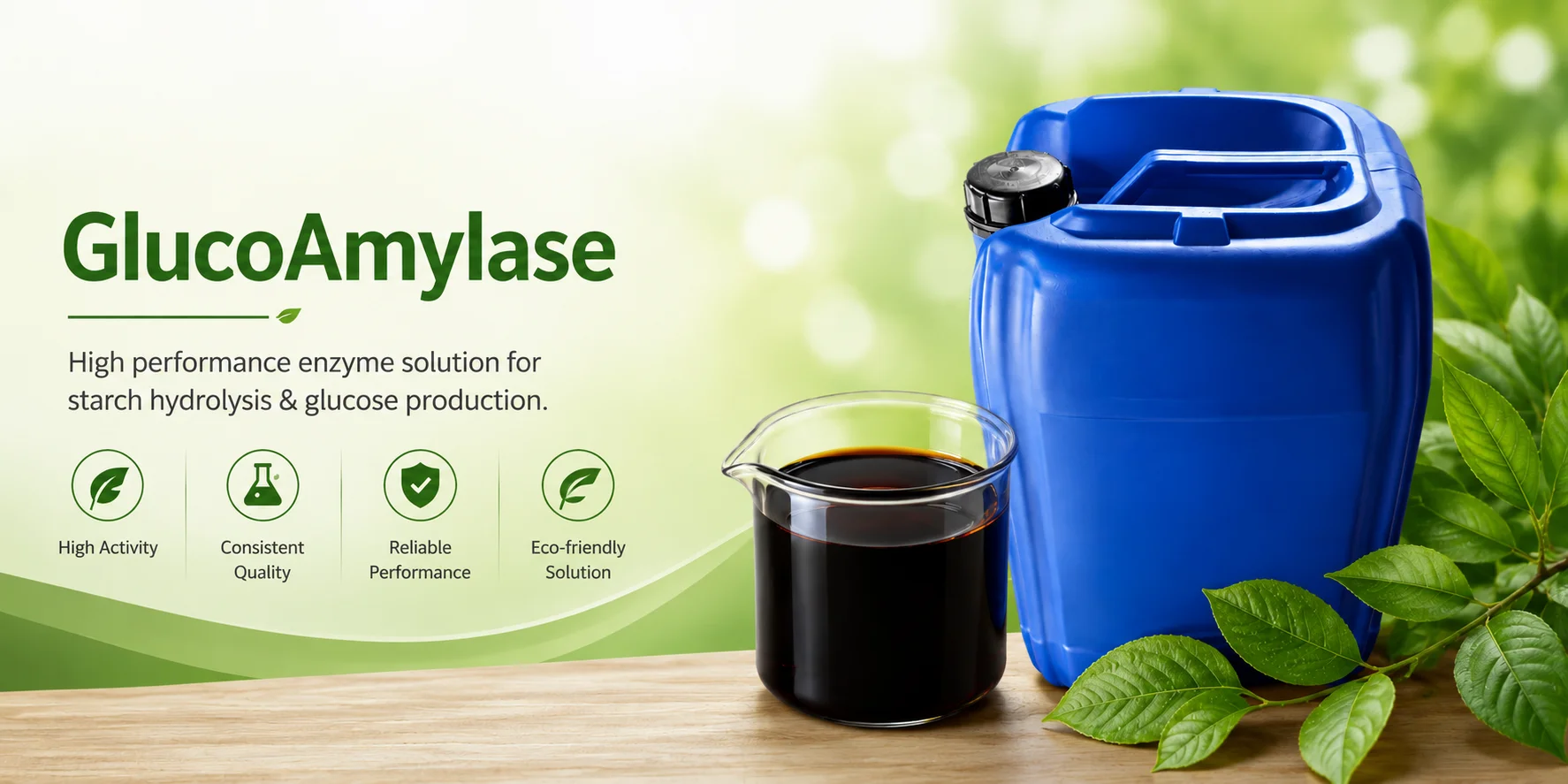
Once alpha amylase has liquefied starch into shorter dextrin chains, that mash still isn’t ready for yeast. Yeast can only ferment simple sugars, and dextrins, while shorter than intact starch, are still too complex to be fermented directly. That final conversion — dextrins to glucose — is glucoamylase’s job, and it’s arguably the stage where […]
Before yeast can ferment a single gram of sugar, starch has to be broken down into something fermentable. That first cut happens during liquefaction, and it’s driven almost entirely by one enzyme: high-temperature bacterial alpha amylase. Get this stage wrong and every later stage inherits the shortfall — no amount of glucoamylase or yeast optimization […]
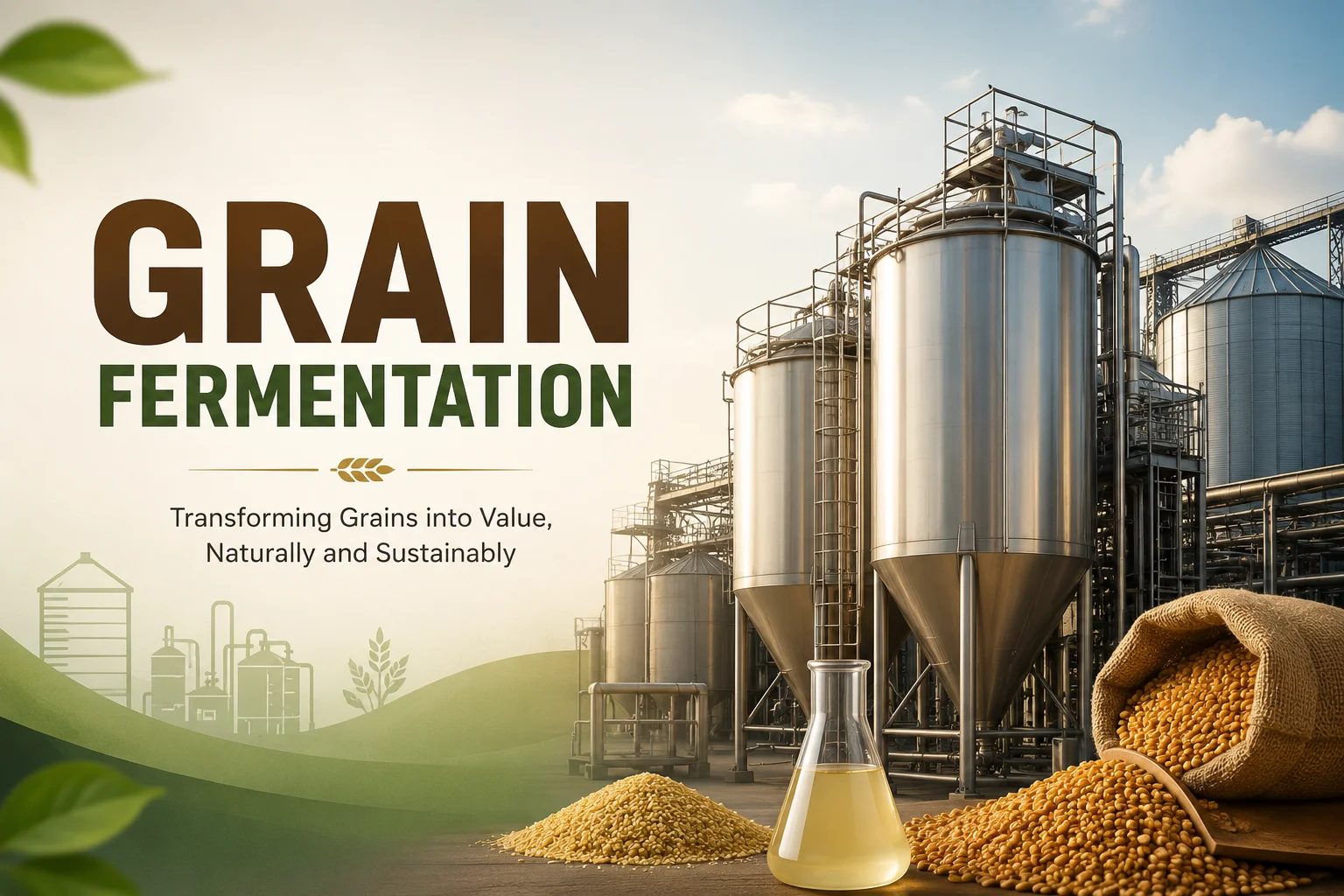
Grain fermentation is the process that turns starch-rich crops into some of the world’s most widely used industrial and consumer products, from fuel ethanol to whiskey. Because the process runs on biology, small changes in enzyme dosing, yeast strain, or process conditions produce outsized swings in yield. This guide walks through how grain fermentation actually […]
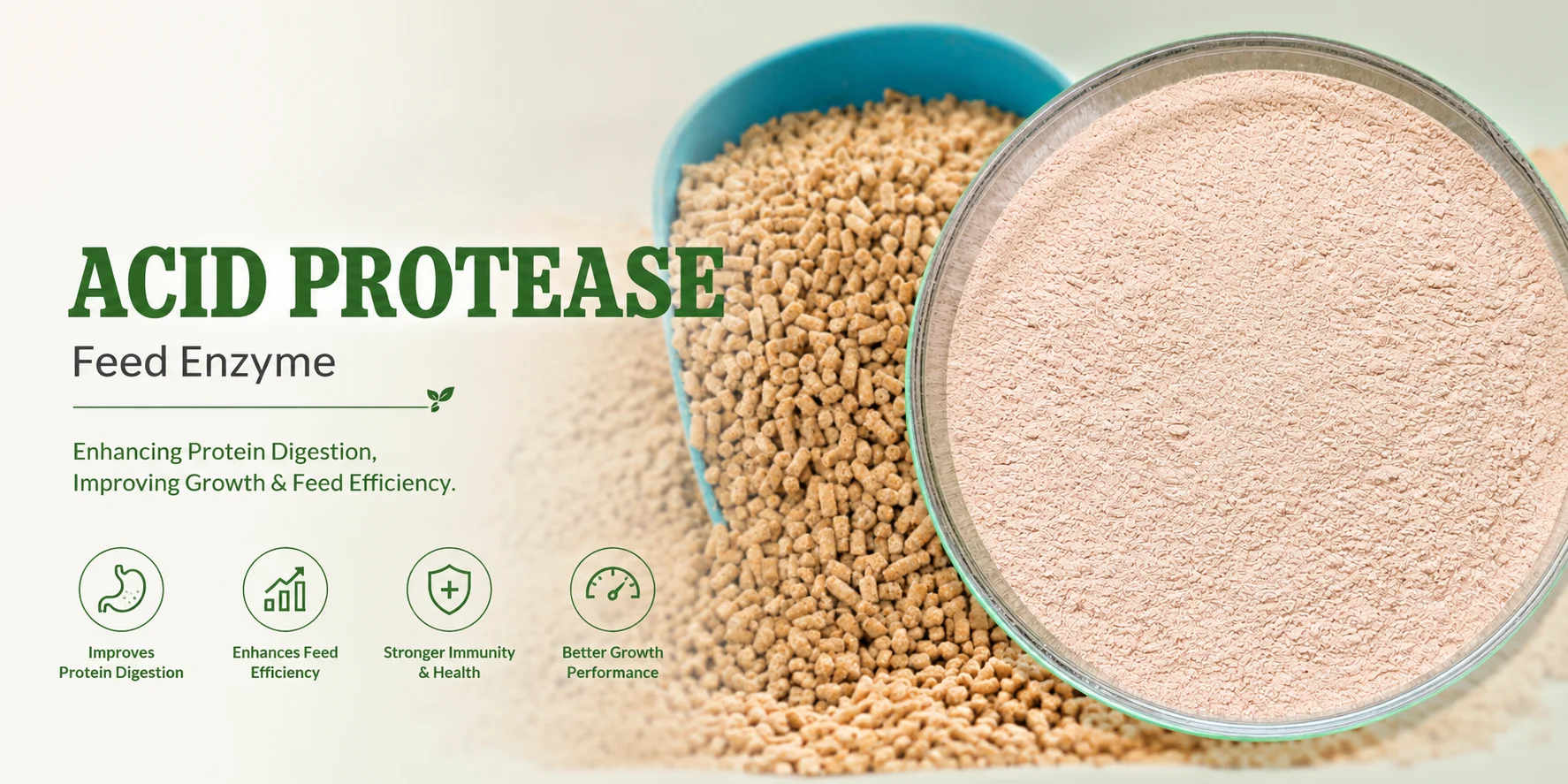
Acid protease feed enzyme helps livestock digest protein more completely, especially during early growth stages. Piglets and chicks cannot always digest protein well on their own. Their stomachs simply don’t produce enough natural enzymes yet. So, a lot of good protein goes to waste. This is where acid protease feed enzyme steps in. It helps […]
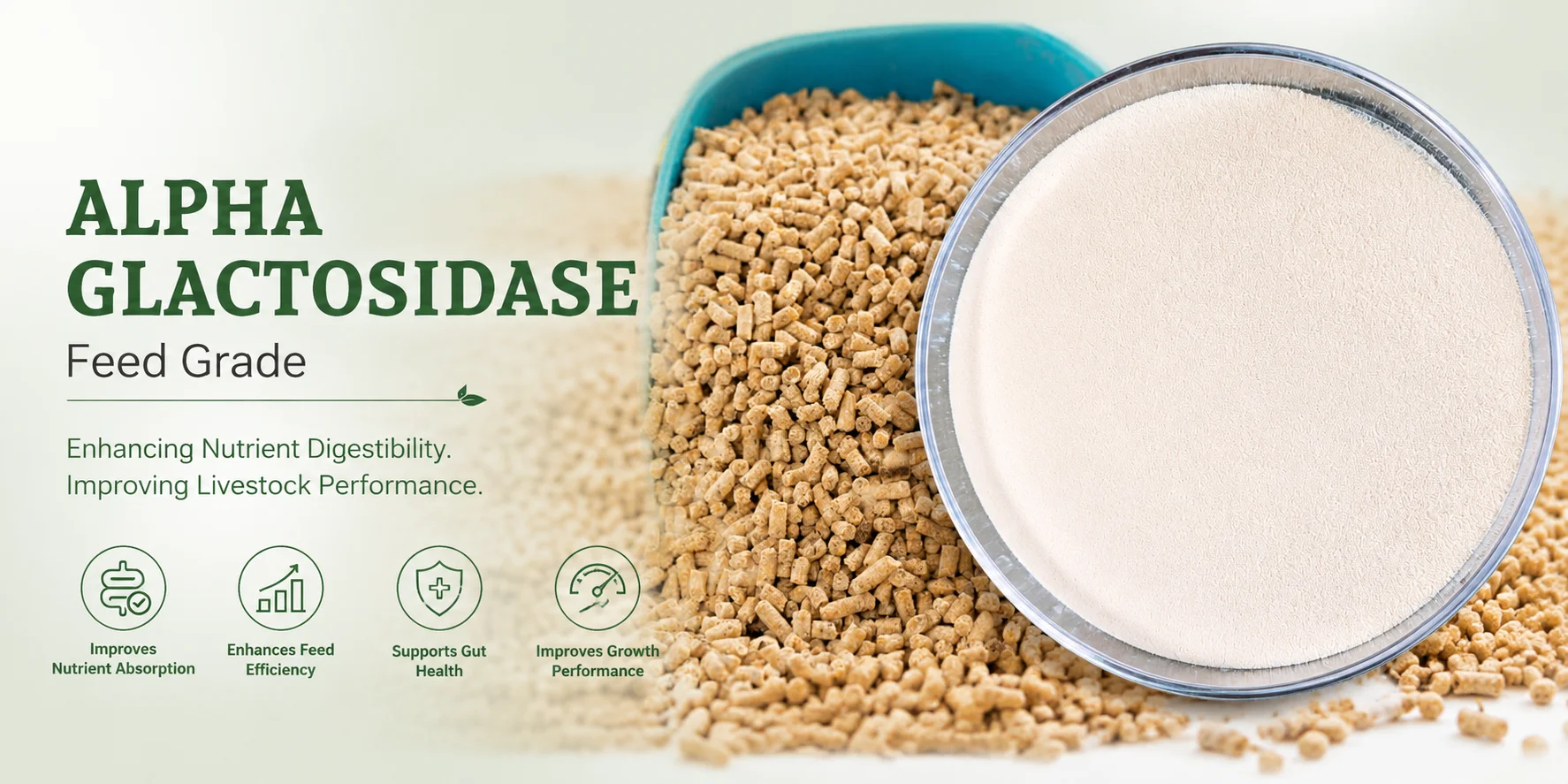
Feed formulation is a balancing act. Producers want affordable ingredients. Yet, they also need strong digestibility. Alpha Galactosidase Feed Grade enzyme helps solve this exact challenge. It targets specific sugars in plant-based feed. These sugars usually resist normal digestion. So, the enzyme steps in to break them down. As a result, animals get more usable […]
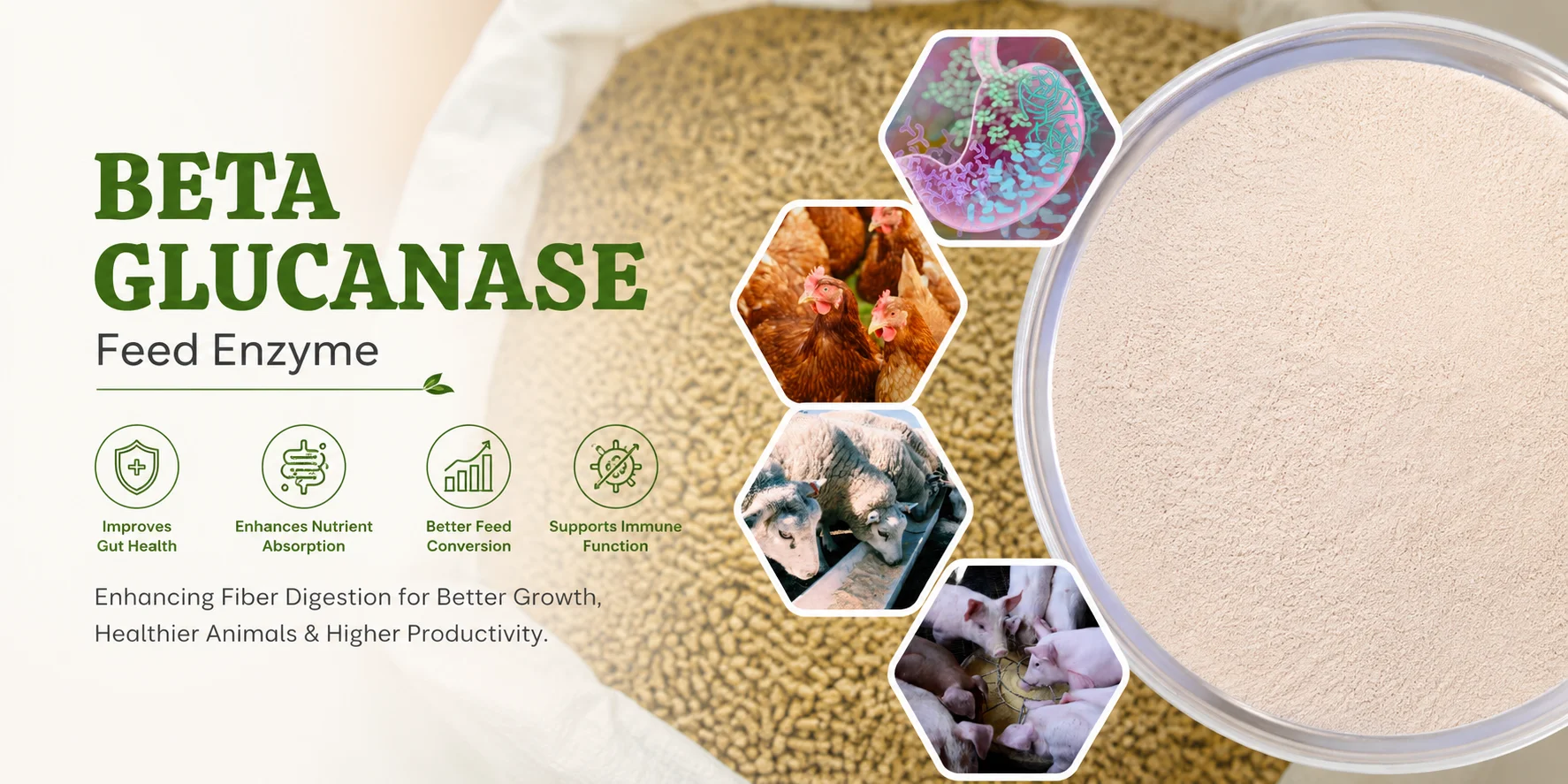
Grain and cereal-based feeds often contain thick, viscous compounds that slow digestion. Feed beta glucanase enzyme targets this problem directly. So, why does it matter so much for poultry and swine nutrition? This guide explains its function and applications. What Is Feed Beta Glucanase? LEAFBG AP digests high molecular weight beta glucans found in grain […]
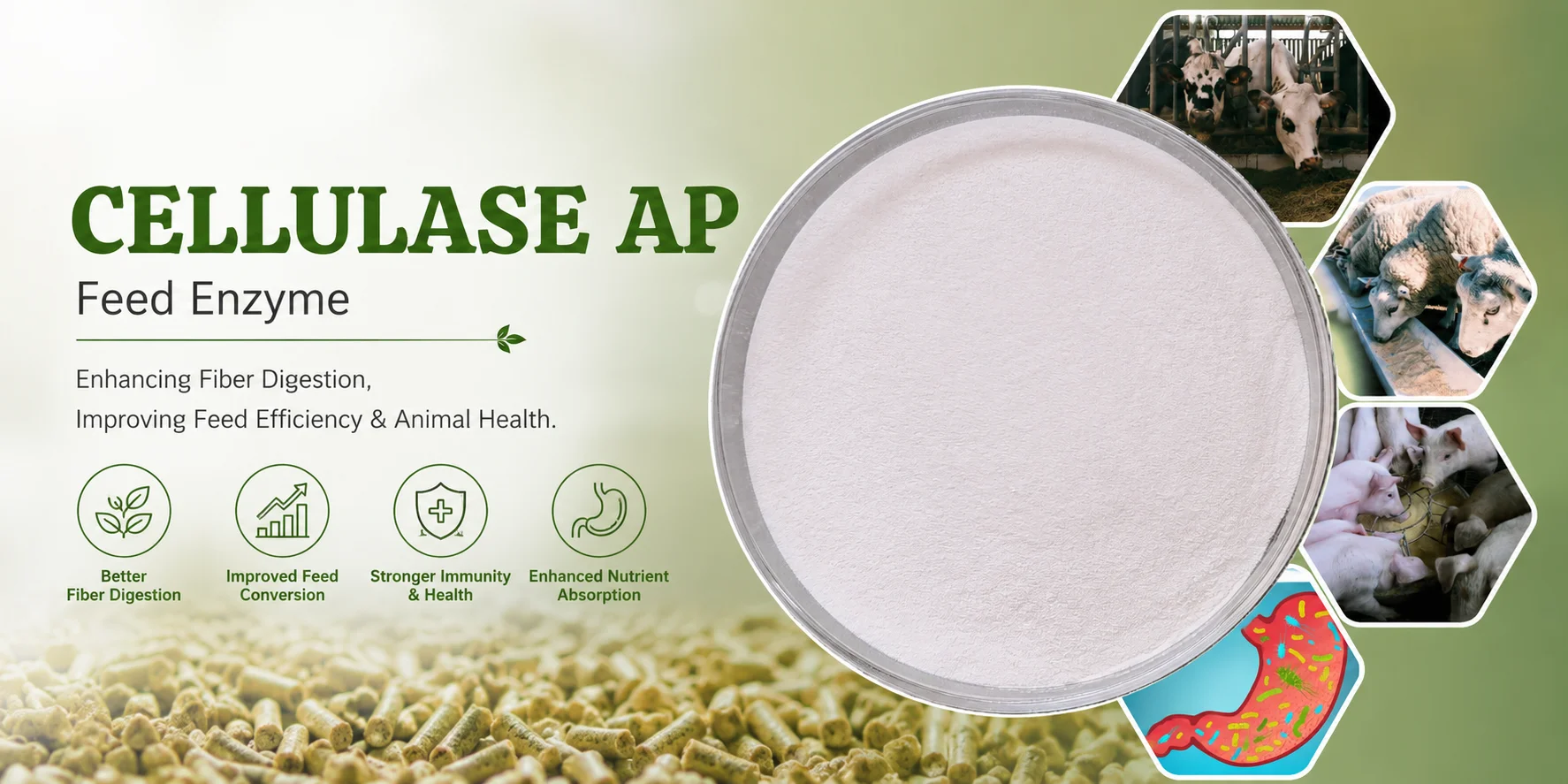
Plant fibre forms a large part of many animal feed formulations. However, animals cannot break this fibre down on their own. Feed cellulase enzyme steps in to solve that exact problem. So, how does it work? This guide explains its function and applications in livestock nutrition. What Is Feed Cellulase Enzyme? Cellulase enzymes supplement the […]
Not every digestive process happens in an acidic environment. Many feed formulations need protein breakdown at neutral pH instead. Neutral protease feed enzyme fills this exact role. So, where does it deliver the most value? This guide explains its function and applications in livestock nutrition. What Is Neutral Protease Feed Enzyme? Neutral protease is an […]