
Sugarcane processing involves several interconnected operations, from juice extraction and clarification to evaporation, crystallization and by-product utilization. Each stage presents different production challenges. Therefore, sugar manufacturers and distillery operators must select suitable processing solutions based on their raw materials, plant configuration and production objectives. Industrial enzymes offer targeted ways to support specific reactions in sugarcane-based […]
Microbial enzymes play an important role in modern industrial manufacturing. Food processors, animal feed producers, fermentation plants and biotechnology companies use these biological catalysts to improve processing efficiency, support product quality and optimize production operations. As industrial applications become more specialized, manufacturers increasingly look for enzyme suppliers that can meet precise technical and commercial requirements. […]
How to Choose an Industrial Enzyme Manufacturer in India: A Buyer’s Checklist Industrial enzymes play an important role in modern manufacturing. From food processing and animal nutrition to fermentation and biotechnology, businesses use enzymes to improve processing efficiency, support product quality and optimize production costs. However, choosing the right enzyme supplier requires more than comparing […]
Improving fermentation efficiency involves more than selecting the right yeast or optimizing starch conversion. Even when liquefaction and saccharification work effectively, some carbohydrate fragments may remain unfermented. As a result, manufacturers may lose potential alcohol yield despite using suitable raw materials and maintaining a well-managed fermentation process. A fermentation booster enzyme helps address this challenge […]
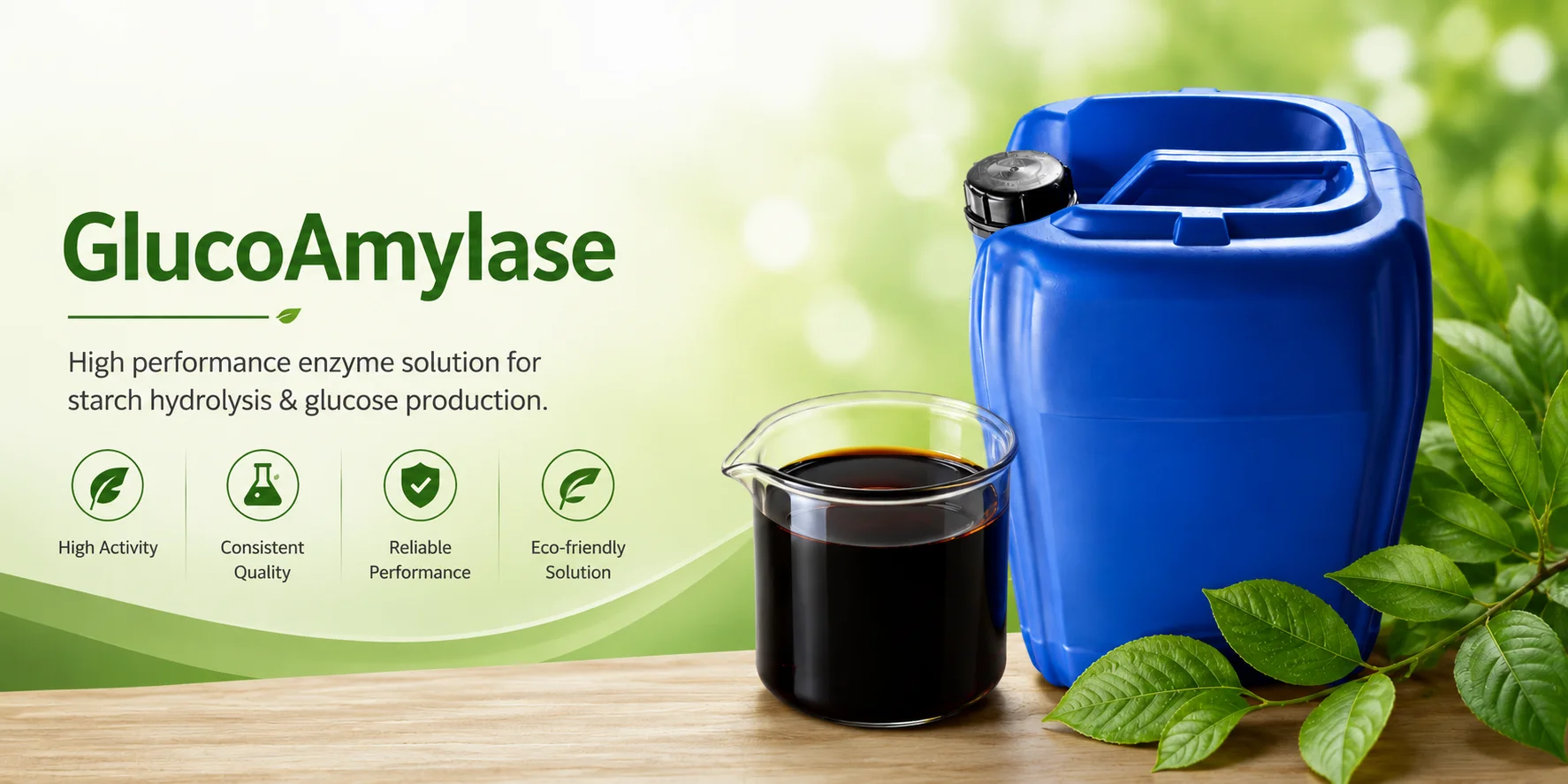
Glucoamylase enzyme for grain fermentation plays a crucial role in saccharification, the stage that converts liquefied starch into fermentable glucose. After alpha amylase breaks starch into shorter carbohydrate chains, glucoamylase continues the conversion by releasing glucose from dextrins and other suitable starch-derived carbohydrates. This step is important because yeast uses fermentable sugars to produce ethanol […]
High temp bacterial alpha amylase plays a vital role in grain fermentation by breaking down gelatinized starch during liquefaction. This initial conversion reduces mash viscosity and produces shorter carbohydrate chains, known as dextrins and oligosaccharides. As a result, the next processing stage can convert these compounds into fermentable sugars. For grain-based ethanol and alcohol production, […]
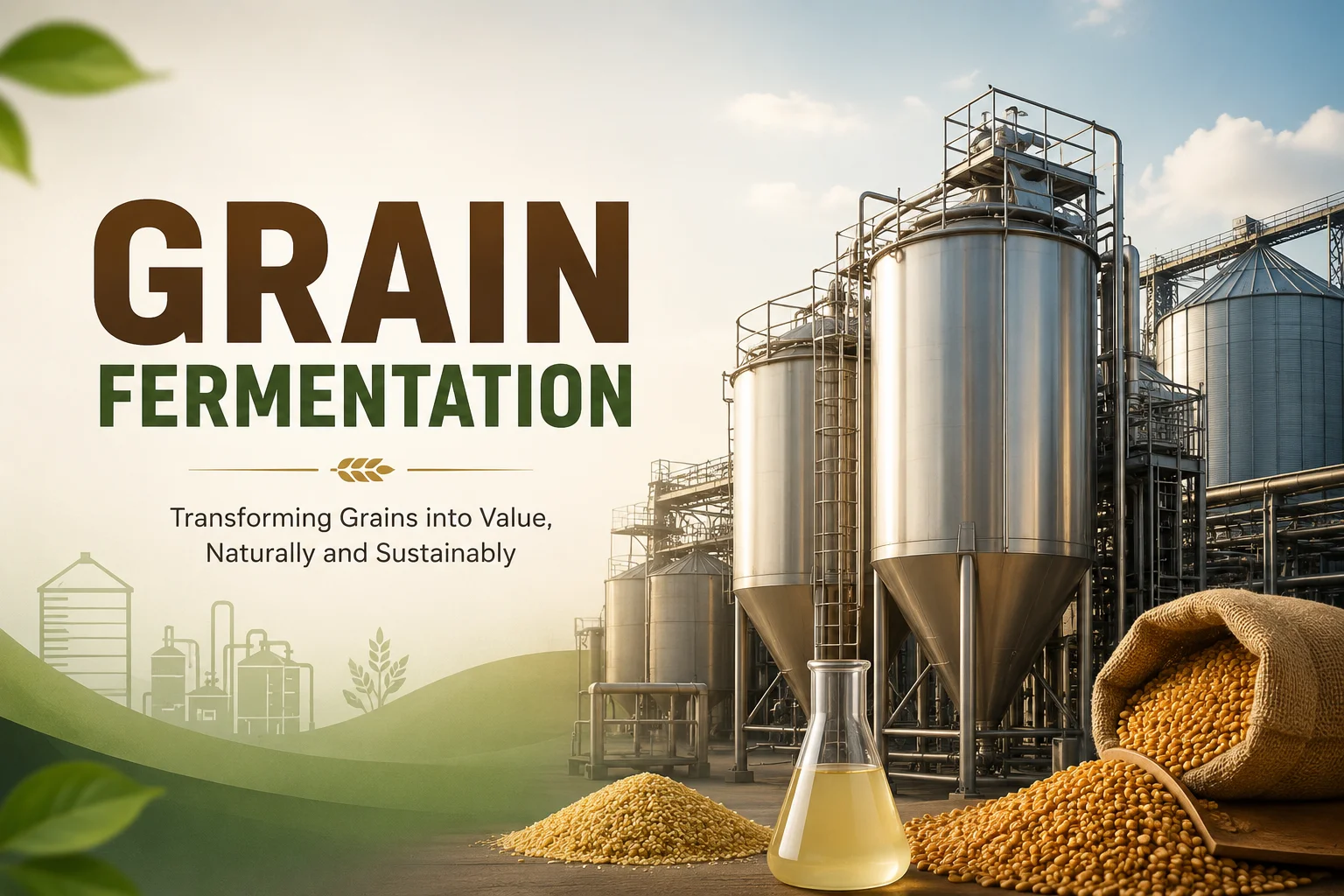
Grain fermentation process enzymes help convert starch-rich raw materials into fermentable sugars, allowing yeast to produce alcohol efficiently. They play a vital role in grain-based ethanol production, industrial alcohol manufacturing and beverage fermentation. However, successful fermentation requires more than adding yeast. First, the starch must become accessible. Next, enzymes convert it into sugars that yeast […]
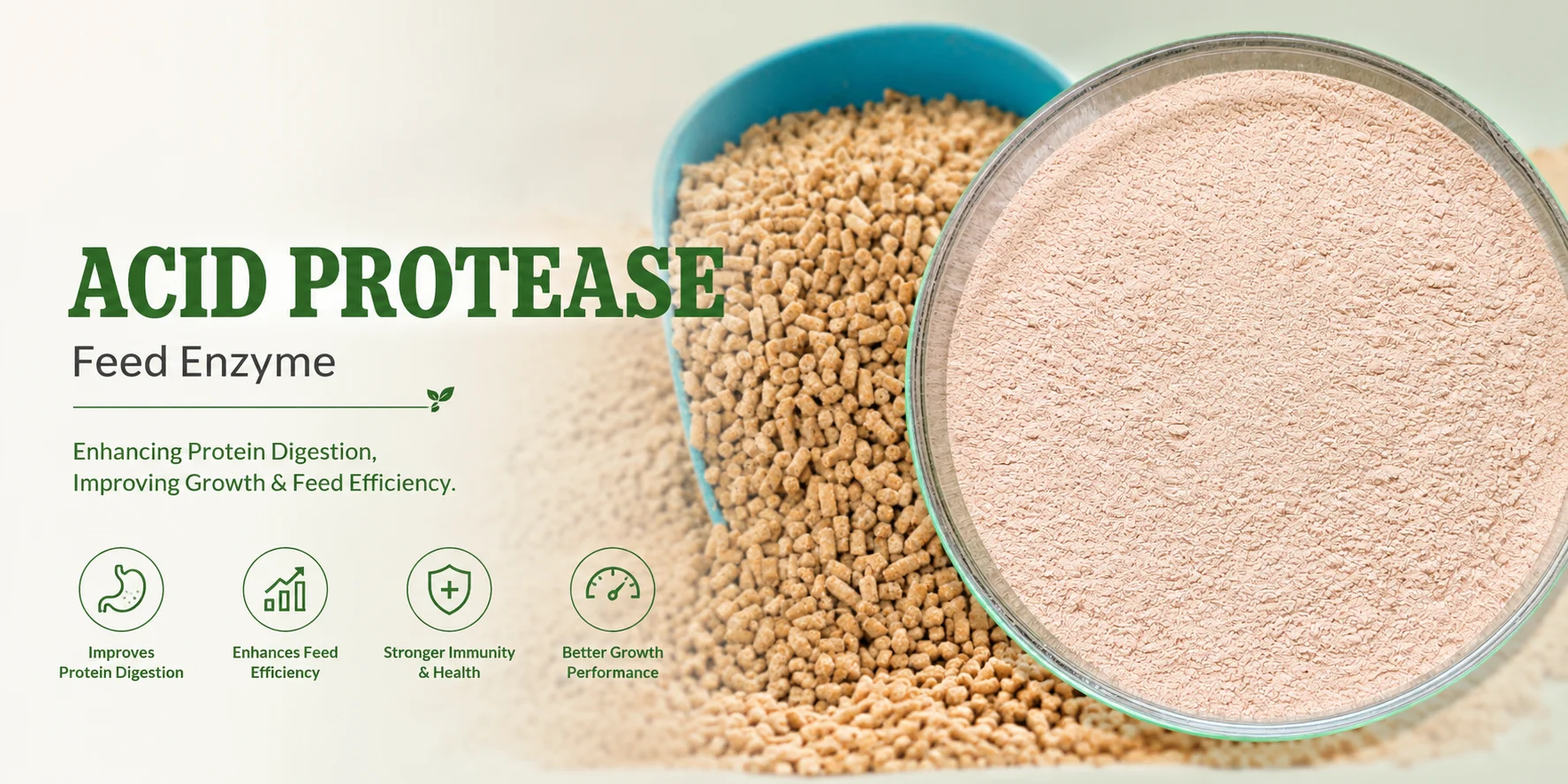
Protein is essential for animal growth, muscle development and overall performance. However, animals must break dietary protein into smaller peptides and amino acids before they can absorb and use it. Therefore, feed manufacturers continually explore ways to improve protein utilisation while maintaining cost-effective formulations. An acid protease feed enzyme helps break down proteins under suitable […]
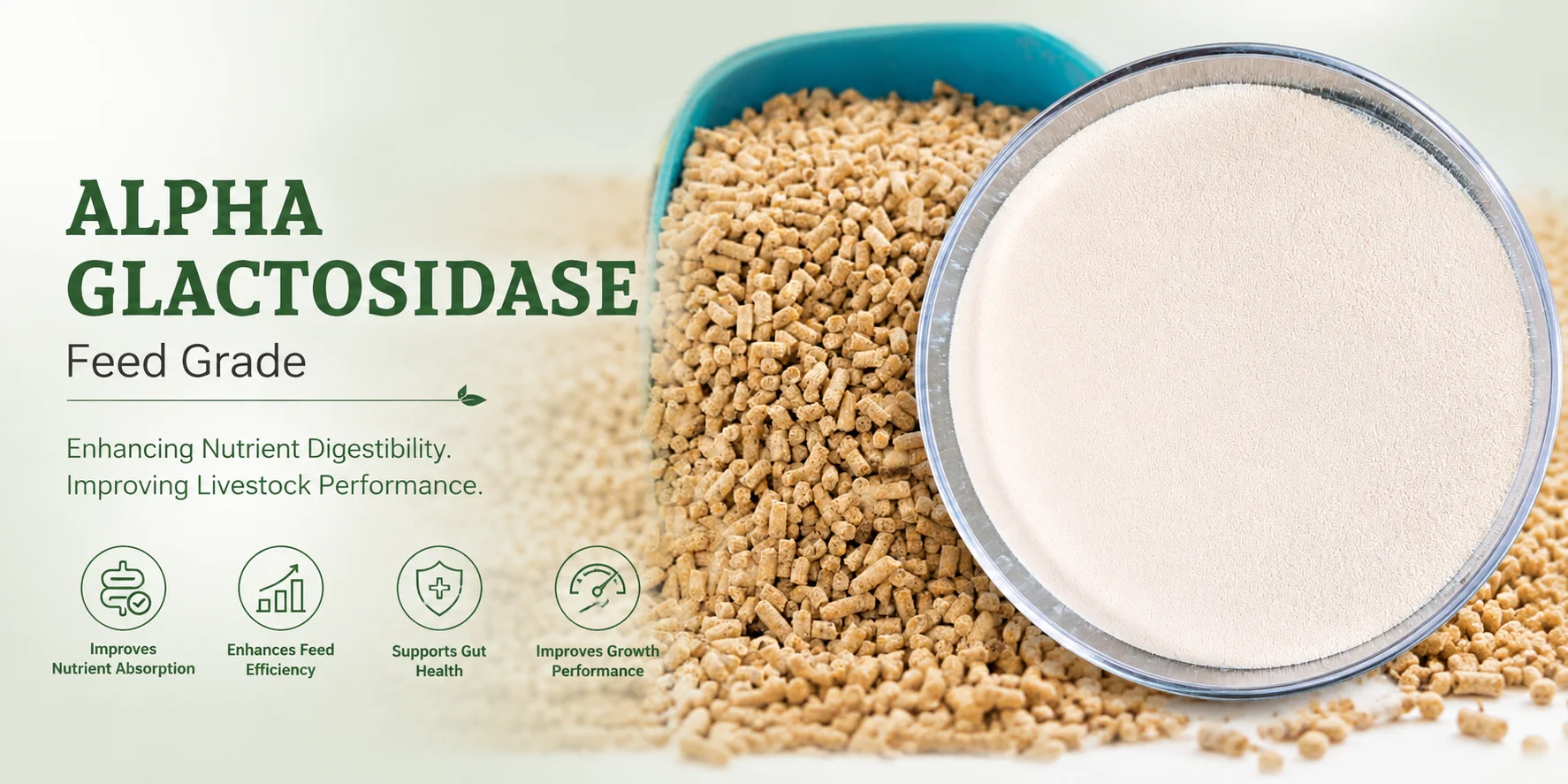
Animal feed manufacturers constantly look for ways to improve digestibility while keeping formulations cost-effective. Soybean meal offers valuable protein, yet it also contains complex sugars that monogastric animals cannot digest efficiently. This is where alpha galactosidase feed grade enzyme can help. Alpha galactosidase targets raffinose-family oligosaccharides found in plant-based feed ingredients. By breaking down these […]
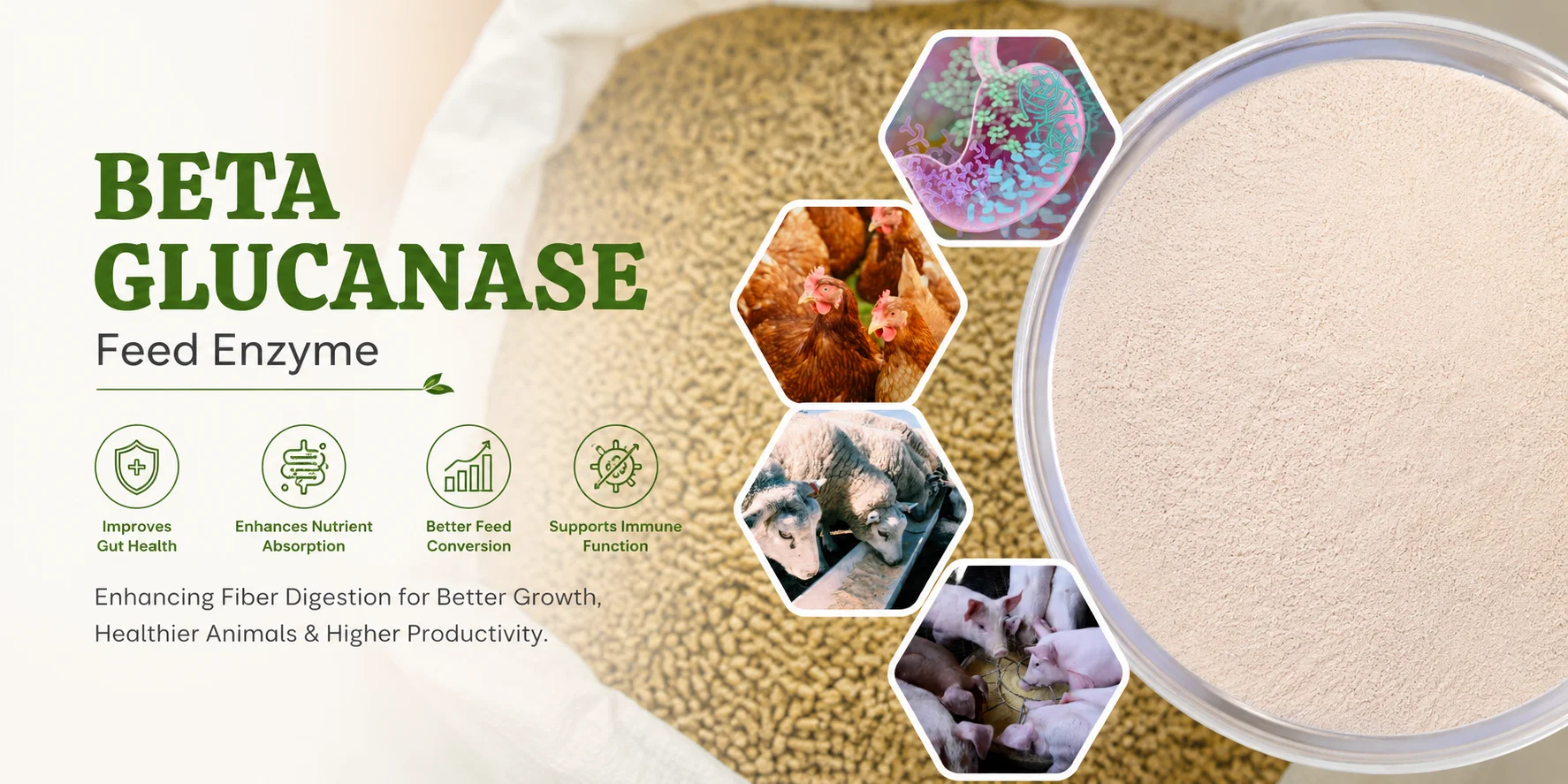
Grain-based ingredients provide energy and essential nutrients in many animal feed formulations. However, cereals such as barley and oats contain beta-glucans, which can increase digestive tract viscosity in certain non-ruminant diets. Consequently, these compounds may interfere with normal nutrient digestion and utilisation. A feed beta glucanase enzyme helps break down beta-glucans into smaller carbohydrate fragments. […]